Source HD Camera Module for Security, Drones, and Medical Devices
Explore 30 verified HD camera module options from Chinese manufacturers. Buyers can compare sensor resolutions, lens types, and mounting styles to find the right solution for indoor or outdoor applications.
Key considerations
Products List
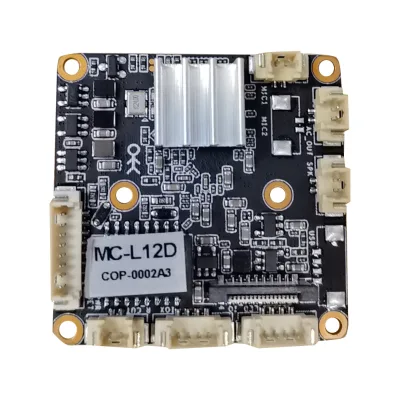
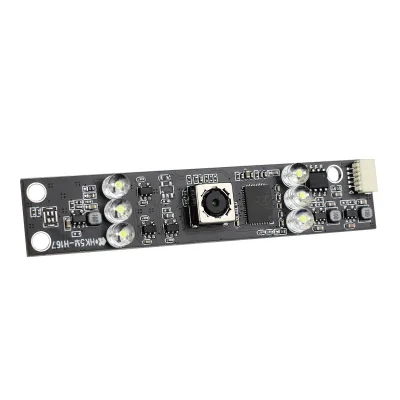
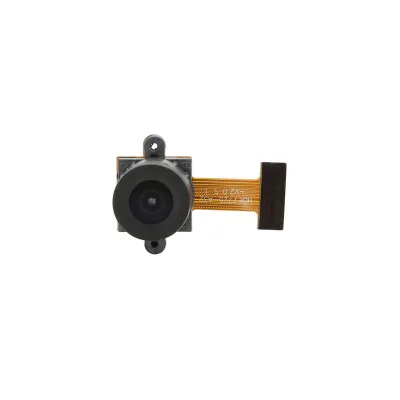
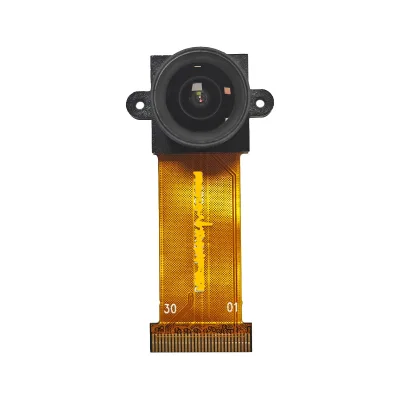
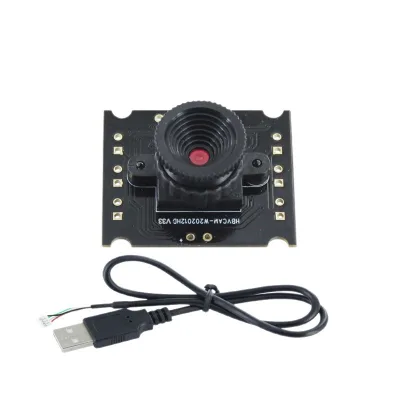
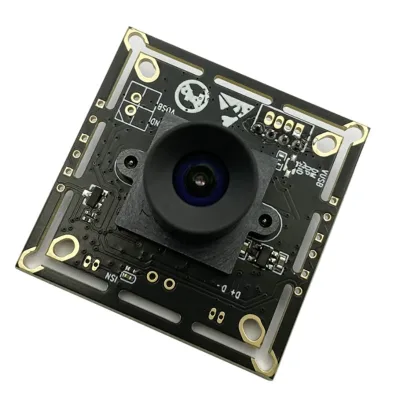


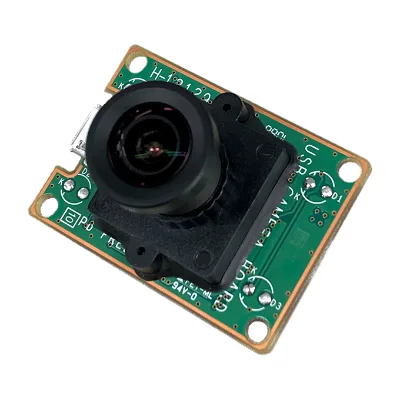
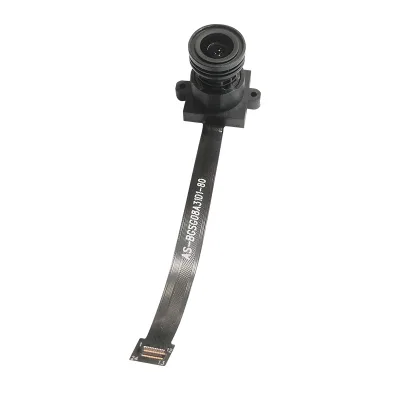


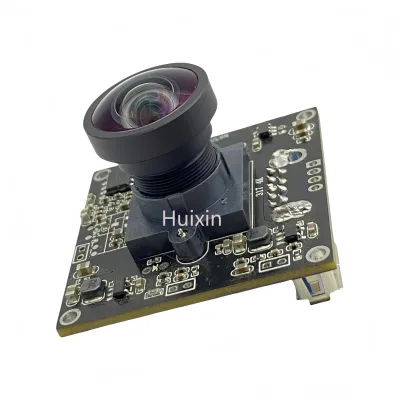
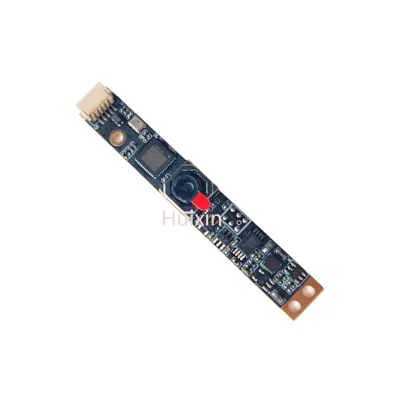


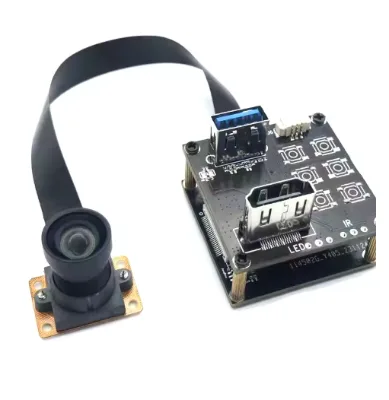
Comprehensive Sourcing Guide
Strategic Sourcing Guide for HD Camera Modules
The global demand for high-definition (HD) camera modules has surged across diverse sectors, driven by the need for enhanced visual clarity in security, automotive, and consumer electronics. For procurement professionals, navigating the market for these components requires a disciplined approach that balances technical performance with supply chain reliability. The core keyword "HD camera module" encompasses a wide spectrum of products, ranging from compact sensors for mobile devices to robust units designed for outdoor surveillance. This guide provides a structured framework for evaluating suppliers, verifying specifications, and ensuring long-term procurement success without relying on unverified claims.
Technical Specifications and Performance Metrics
When sourcing HD camera modules, the primary focus must be on the underlying sensor technology and optical characteristics. The market offers modules with varying resolutions, from 1 megapixel (1280x720) to 8 megapixel (3840x2160) capabilities. Buyers must distinguish between these tiers based on their specific application requirements. For instance, a module with a resolution of 2592x1944 pixels offers significant detail for indoor monitoring, while a 1-megapixel unit may suffice for basic motion detection where bandwidth is a constraint.
The focal length and angle of view are critical optical parameters that dictate the field of coverage. Available configurations include fixed focal distances such as 1.68mm, paired with wide angles of view ranging from 65 degrees to 180 degrees. Some suppliers offer modular lenses with angles of 90, 120, or 165 degrees, while others may require customization inquiries for specific focal lengths. It is essential to verify whether the module supports auto-focus, manual focus, or fixed focus mechanisms. Auto-focus lenses are typically preferred for applications requiring variable subject distances, whereas fixed-focus units are cost-effective for static surveillance setups.
Frame rate and sensor pixel count further define performance. Standard modules often operate at 30 frames per second, ensuring smooth video playback. Sensor pixel counts vary from 1MP to 8MP, directly influencing image clarity and low-light performance. Buyers should also note the mounting type, which is frequently listed as "Module" or "CS mount," ensuring compatibility with existing housing and optical systems. The physical dimensions, such as a product size of 21x15x19mm, are vital for integration into compact devices.
Compliance, Certification, and Regulatory Standards
Regulatory compliance is a non-negotiable aspect of B2B procurement, particularly for electronics exported to international markets. Sourcing from regions like Guangdong, China, offers access to a robust manufacturing ecosystem, but it necessitates rigorous verification of certifications. Reputable suppliers typically provide documentation for CE, FCC, CCC, RoHS, and ISO9001 standards. These certifications indicate adherence to safety, electromagnetic compatibility, and environmental regulations.
The presence of RoHS compliance ensures that the modules are free from hazardous substances, which is a prerequisite for sales in the European Union and many other jurisdictions. ISO9001 certification reflects a commitment to quality management systems, suggesting that the manufacturer maintains consistent production standards. However, buyers must treat these certifications as observations of specific listed products rather than universal guarantees for every item in a supplier's catalog. It is imperative to request valid, up-to-date certificates for the specific batch or model being purchased.
Additionally, features such as "High Definition" and "Mini Size" should be validated against actual test data rather than marketing descriptions. While some product descriptions mention features like Auto BLC (Backlight Compensation), these should be confirmed through technical datasheets. The absence of specific certification details in a product listing should trigger a direct inquiry to the supplier before proceeding with an order.
Cost Drivers and Pricing Dynamics
The price of HD camera modules is influenced by a complex interplay of factors, including resolution, sensor quality, optical complexity, and order volume. Observed market data indicates a significant price range, from as low as $2 to as high as $1500 per unit. This variance is primarily driven by the sensor pixel count and the sophistication of the lens system. A basic 1MP module with a fixed focus will naturally be priced lower than an 8MP unit with auto-focus and a wide-angle lens.
Minimum Order Quantity (MOQ) is another critical cost driver. The market exhibits an MOQ range from 1 unit to 200 units. Suppliers offering low MOQs, such as single items, are often suitable for prototyping or small-batch testing, though the unit cost may be higher. Conversely, bulk orders typically benefit from economies of scale, reducing the per-unit cost. Buyers must balance the need for inventory flexibility with the financial benefits of larger orders.
Other cost factors include customization options. While many suppliers support OEM and ODM services, allowing for tailored specifications, these customizations often incur additional tooling or development fees. The "Single gross weight" of the product also impacts logistics costs; for example, a module weighing 0.050 kg is significantly cheaper to ship than one weighing 1.000 kg. Buyers should factor in these logistical expenses when calculating the total cost of ownership.
Typical Applications and Use Cases
HD camera modules are versatile components deployed across a wide array of industries. The primary application areas include indoor and outdoor surveillance systems, where the durability and resolution of the module are paramount. Modules with a 180-degree field of view are particularly valuable for security applications requiring panoramic coverage, while those with 65 to 120-degree angles are ideal for focused monitoring of specific entry points.
In the automotive sector, camera modules are used for rear-view systems, parking assistance, and driver monitoring. The compact size and specific mounting types, such as CS mount, make them suitable for integration into vehicle dashboards and mirrors. The ability to withstand varying environmental conditions is crucial for outdoor applications, where modules must operate reliably in diverse weather scenarios.
Consumer electronics also represent a significant market segment. The "Mini Size" attribute of many modules makes them ideal for integration into smartphones, drones, and wearable devices. In these applications, the balance between resolution and power consumption is critical. Furthermore, the availability of USB2.0 interfaces in some models facilitates easy connectivity for DIY projects and industrial automation systems.
Supplier Evaluation and Selection Criteria
Selecting the right supplier requires a comprehensive evaluation of their capabilities, reputation, and operational transparency. Buyers should prioritize suppliers that explicitly state their support for OEM and ODM services, as this indicates flexibility in meeting specific design requirements. The "Brand Name" associated with the product can be a useful indicator of quality, though it is essential to verify that the brand is recognized and respected in the industry.
When evaluating potential partners, buyers should assess the clarity and completeness of the product information provided. A supplier that lists detailed specifications, such as model numbers (e.g., HS-OV5645, HS-IMX415-BT2), sensor pixels, and lens types, demonstrates a higher level of professionalism. Conversely, vague descriptions or missing technical data should be viewed as red flags.
The geographic location of the supplier, specifically within Guangdong, China, is a common attribute for this product category. This region is a hub for electronics manufacturing, offering a mature supply chain. However, buyers should not assume that all suppliers in this region are equal. Due diligence should include checking the supplier's history, response times, and ability to provide samples for testing.
Quality Control and Verification Protocols
Implementing a robust quality control (QC) protocol is essential to mitigate the risks associated with hardware procurement. Given the variation in product attributes, such as the "angle of view" or "focus type," buyers must establish clear acceptance criteria before production begins. The "Single package size" and "Single gross weight" should be verified against the agreed-upon specifications to ensure consistency in packaging and shipping.
Quality verification should extend beyond visual inspection to include functional testing. Buyers should request sample units to test key performance metrics, such as resolution, frame rate, and focus accuracy. For modules claiming specific certifications like CE or FCC, third-party testing reports should be reviewed to confirm validity. It is also important to verify the "Mounting Type" and "Lens Type" to ensure they match the system requirements.
In cases where customization is involved, such as specific lens angles or focal distances, a prototype phase is recommended. This allows the buyer to validate the design before committing to a full production run. The "Customization: Available" attribute suggests that suppliers are willing to accommodate specific needs, but the process must be managed with clear communication and documented agreements.
Long-Term Procurement Considerations
Sourcing HD camera modules is not merely a transactional activity but a strategic partnership that requires long-term planning. Buyers should consider the availability of spare parts and the supplier's capacity to support future product iterations. The "Model Number" often indicates the specific generation of the technology; ensuring that the supplier can maintain supply for older models or provide seamless upgrades to newer versions is crucial for product lifecycle management.
Lead times and production capacity are also significant factors. While specific lead times may vary, buyers should establish expectations regarding delivery schedules and potential delays. The "Selling Units" attribute, often listed as "Single item," suggests that suppliers may be flexible with order sizes, but larger orders may require longer lead times.
Finally, the potential for supply chain disruptions should be factored into the procurement strategy. Diversifying the supplier base and maintaining safety stock can help mitigate risks. Buyers should also monitor market trends for emerging technologies, such as higher resolution sensors or advanced autofocus systems, to ensure their products remain competitive. By adhering to a disciplined sourcing process and leveraging verified product data, buyers can secure high-quality HD camera modules that meet their technical and business objectives.
FAQs
What certifications are available for hd camera modules?
Available certifications include CE, FCC, CCC, RoHS, and ISO9001 for specific listed products. Buyers must verify these documents for the exact batch purchased rather than assuming universal compliance across all catalog items.
Which resolution options exist for hd camera modules?
Resolutions range from 1 megapixel up to 8 megapixels, with specific models offering 2592x1944 or 3840x2160 pixels. The choice depends on application needs, as higher pixel counts provide greater detail but may impact bandwidth requirements.
How does the focus type affect hd camera module selection?
Modules support auto-focus, manual focus, or fixed focus mechanisms depending on the specific model. Auto-focus is preferred for variable distances, while fixed-focus units are cost-effective for static surveillance setups requiring consistent clarity.
Can I find hd camera modules with a 180-degree angle of view?
Yes, some models feature a 180-degree angle of view suitable for panoramic coverage. Other options include 65, 90, 120, and 165-degree lenses, though specific angles may require customization inquiries with the supplier.
What is the price range for hd camera modules?
Observed prices range from 2 to 1500 USD per unit, driven by sensor quality and optical complexity. Basic 1MP modules are priced lower, while 8MP units with advanced lenses command higher costs.
Which minimum order quantities are typical for hd camera modules?
Minimum order quantities vary from 1 unit to 200 units depending on the supplier and product type. Single item orders are available for prototyping, while bulk purchases often benefit from economies of scale.
Where are hd camera modules typically manufactured?
High-confidence facts indicate production originates from Guangdong, China, a major electronics manufacturing hub. Buyers should verify specific factory locations and capabilities during the supplier evaluation process.